Save up to 20% today

The Cellular Science of Aesthetic Serums
4/30/20261 min read
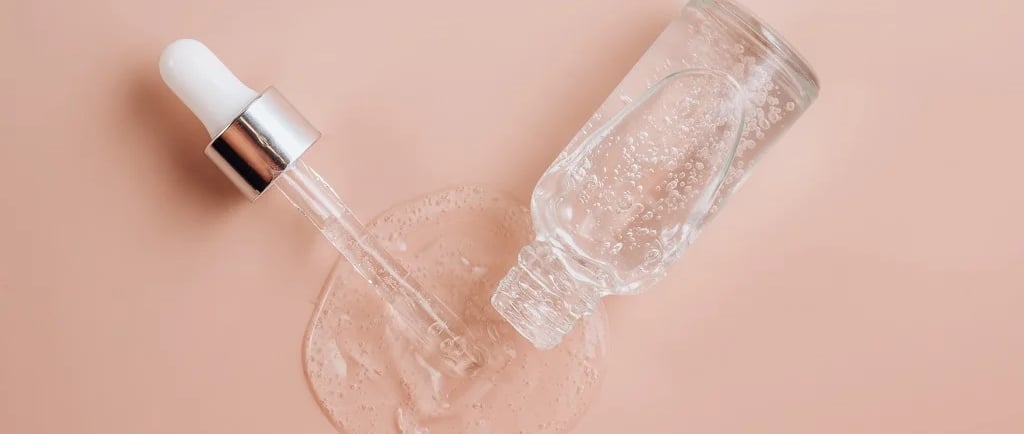
The primary hurdle in clinical aesthetics is the human skin barrier, specifically the stratum corneum. Traditional cosmetic formulations often utilize large, synthetic molecules that sit atop the epidermis without initiating cellular change. Conversely, advanced practitioner-grade serums utilize low-molecular-weight botanical peptides. Because these natural amino acid chains are microscopically small, they bypass the outer barrier, penetrating deeply to stimulate fibroblasts and increase natural collagen synthesis.
However, the laws of chemistry dictate that low-molecular-weight organic chains are inherently unstable. If these serums are exposed to unregulated thermal fluctuations, the microscopic peptides undergo a process called oligomerization—they bind together to form larger, inactive clusters. Once clustered, they can no longer penetrate the skin barrier, rendering the formulation clinically useless. Thus, maintaining the original molecular weight of these biological actors relies entirely on absolute temperature stability from the laboratory to the dispensary.
HESPOR health
Explore our website for seamless navigation.
Newsletter
© 2026. All rights reserved.
DUNS: 24-335-5546