Save up to 20% today

The Biological Mechanics of Pet Joint Therapies
4/30/20261 min read
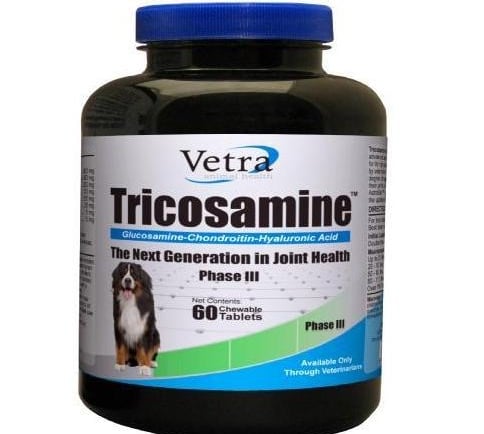
Canine osteoarthritis is characterized by the progressive degradation of articular cartilage. In advanced veterinary medicine, the focus has shifted toward natural chondroprotective agents, specifically organic glucosamine and chondroitin sulfate. When ingested, these natural compounds act as essential biological building blocks, synthesizing glycosaminoglycans (GAGs) which pull water into the synovial fluid, re-lubricating the joint and slowing cartilage breakdown.
To achieve therapeutic bioavailability, these organic compounds must be extracted in their raw, unadulterated state. Unfortunately, high-grade biological sulfur bonds are highly hygroscopic (they absorb moisture from the air) and sensitive to ambient heat. Unregulated storage environments can rapidly break down these sulfur bonds before ingestion, destroying their biological utility. For veterinary therapies to successfully reach the animal’s synovial fluid, the supply chain must implement strict humidity-controlled and GMP-aligned warehousing protocols to preserve the compound's structural integrity.
HESPOR health
Explore our website for seamless navigation.
Newsletter
© 2026. All rights reserved.
DUNS: 24-335-5546