Save up to 20% today

The Biological Mechanics of Canine Digestive Enzymes
11/4/20251 min read
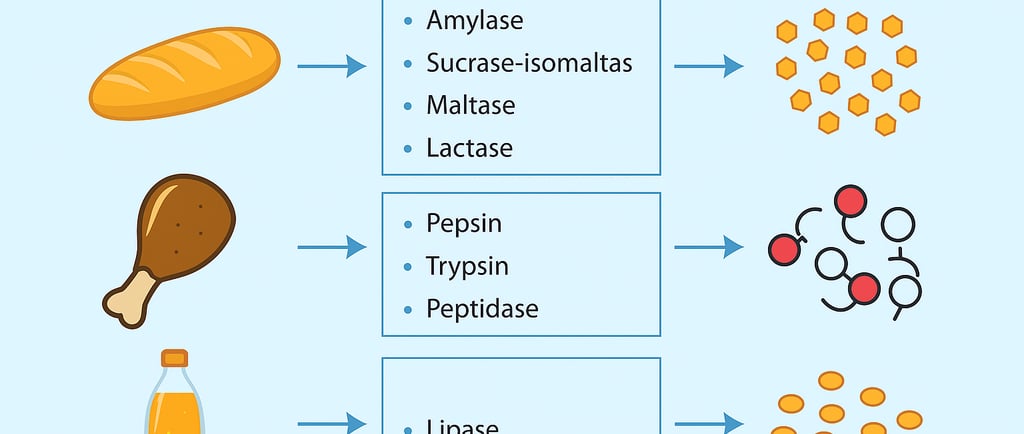
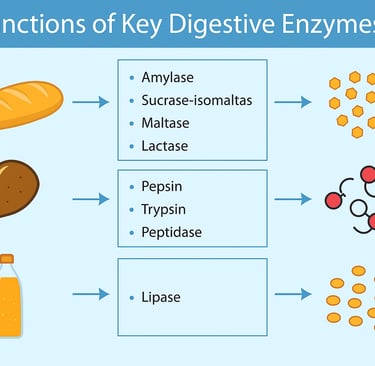
A healthy canine pancreas produces three primary catalysts essential for nutrient absorption: amylase (for carbohydrates), lipase (for fats), and protease (for proteins). When a dog develops Exocrine Pancreatic Insufficiency (EPI), this vital production halts. The animal can consume massive amounts of food but will still suffer from severe clinical malnourishment.
The standard biological intervention involves introducing natural, biologically derived substitute enzymes. Fascinatingly, these natural actors do not "cure" the pancreas; they act as active proxies directly within the gastrointestinal tract, physically breaking down complex macromolecules into absorbable nutrients. Because they are active biological catalysts rather than stable synthetic chemicals, these enzymes are exceptionally vulnerable to environmental degradation. Scientific analyses indicate they can lose up to 40% of their catalytic viability if exposed to ambient heat or moisture before ingestion, making rigorous cold-chain logistics a clinical necessity.
HESPOR health
Explore our website for seamless navigation.
Newsletter
© 2026. All rights reserved.
DUNS: 24-335-5546